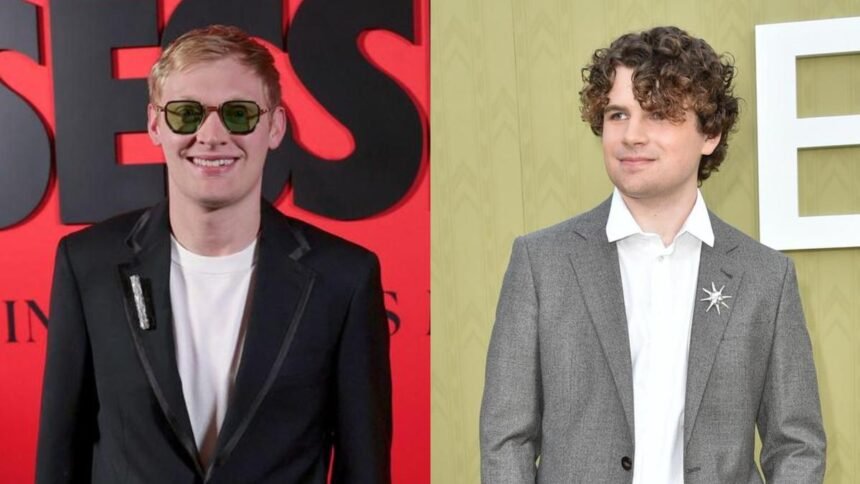
In 2026, two films have defined the horror genre: Curry Barker’s ‘Obsession’ and Kane Parsons’ ‘Backrooms.’ Remarkably, both directors are under 30, both began their careers on YouTube, and both have turned viral digital concepts into blockbuster hits, proving that the future of horror is being built by a generation that grew up online.
The YouTube Generation Takes Over
Parsons, 22, created his Backrooms series as a teenager, using free 3D software Blender to expand on a viral internet creepypasta. His web series became a global sensation, accumulating over 200 million views and eventually being adapted into A24’s highest-grossing film.
Barker, 26, similarly built his reputation online. The Australian creator’s earlier digital short, Milk and Serial, made for just $800 and released for free on YouTube, became a viral phenomenon, opening doors in Hollywood . His follow-up, ‘Obsession’, made on a $750,000 budget, has now grossed over $100 million worldwide .
From Video Store to the Algorithm: A Shift in Aesthetics
The rise of these directors signals a distinct shift in horror aesthetics. They don’t rely on the jump-scare tropes of the 2000s or the slow-burn dread of art-house cinema. Instead, their work is rooted in the aesthetics of the internet: found footage, liminal spaces, and the uncanny valley of digital simulation.



Parsons’ Backrooms is a perfect example. It taps directly into a 2019 internet image that resonated because it felt familiar and threatening. Parsons expanded on this with a deep understanding of digital horror that only someone raised in the online era could possess.
Barker, meanwhile, operates in the found-footage subgenre, but with a modern twist. His films feel like lost videos you might stumble upon online, a sense of hyper-reality that plays perfectly to an audience conditioned by years of consuming digital media.
From Digital to the Big Screen
A key factor in their success is their ability to scale up. Having proven their concepts online, both directors transitioned to the big screen without losing their signature style. Their films retain a gritty, raw, and often low-budget feel that is intentionally designed to maintain an unsettling sense of realism.
Parsons worked with A24 to preserve his vision, and the result was a rare piece of cinema that felt both “intelligent and genuinely scary.” Barker similarly ensured his ‘Obsession’ maintained the authenticity of his earlier work, focusing on the psychological horror of a reality that is “twitching” and “dysphoric” rather than relying on grotesque creatures.
Hollywood: The Student is Now the Master
For decades, horror was dominated by studios like Blumhouse, who perfected the low-budget, high-return model. But now, the students have become the masters. YouTube creators are not just making films; they are defining the genre’s future.
They understand viral marketing, the power of community, and the specific fears of a generation that has grown up with the internet. They don’t need to tell a story that is merely scary; they need to tell a story that feels like the next tab you might accidentally open.
As Barker and Parsons continue their meteoric rise, it is clear that the next big horror film will likely come from a 16-year-old’s bedroom, not a studio executive’s office. The future of horror is digital. And it has just begun.