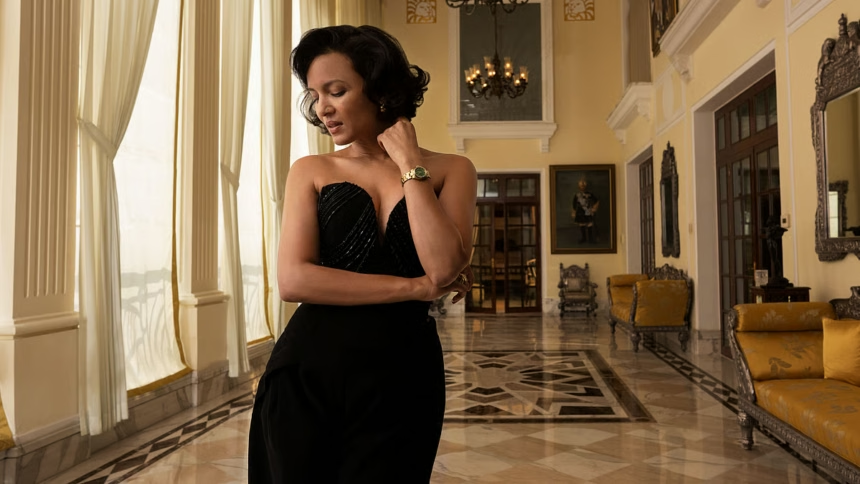
Renowned sitar player and composer Anoushka Shankar is marking three decades in music with a career shaped by artistic excellence, personal transformation and a determination to challenge traditional ideas about creative genius. In a recent cover interview with The Hollywood Reporter India, the 13-time Grammy-nominated musician opened up about burnout, motherhood, sobriety, creative freedom and the pressures of carrying forward a legendary musical legacy.
Shankar, who began learning the sitar at the age of seven, has spent much of her life performing on international stages and exploring the possibilities of Indian classical music. However, she believes that artistic success should not come at the expense of personal well-being.
Challenging the Myth of the Suffering Artist
One of the strongest messages from Shankar’s interview was her rejection of the idea that great art requires complete personal sacrifice. She questioned the romanticised image of the tortured artist, pointing out that women have historically faced different expectations from their male counterparts.
According to Shankar, women are often expected to pursue artistic excellence while simultaneously managing responsibilities outside their creative careers. She believes that maintaining a balance between artistic dedication and personal wellness is essential for long-term success.
Related News



The musician also spoke openly about experiencing burnout during her twenties, explaining that excessive pressure can eventually take away the joy of creating music.
Rediscovering Her Musical Identity
Shankar’s relationship with the sitar has evolved throughout her life. Although she began her musical training at a young age, she experienced a period in her early twenties when she felt disconnected from the instrument.
Instead of forcing herself to continue in the same way, she took a year to reconsider her musical identity. That period eventually resulted in her album Rise, which helped her discover a more personal approach to composition.
She explained that becoming a parent and embracing sobriety also brought significant changes to how she understood herself as a musician.
Motherhood and a Different Approach to Creativity
As a single parent, Shankar has had to rethink the traditional image of an artist who spends endless hours working in a studio. She described creating music in short sessions of two or three hours while making time for her children.
For her, discipline remains important, but it must also allow flexibility and gentleness. She believes creativity needs an environment where mistakes are acceptable rather than constantly judged.
Shankar also highlighted the importance of showing up consistently for creative work. Rather than waiting for inspiration, she believes deadlines, practice and discipline can help the creative process develop naturally.
Learning From Her Father’s Musical Philosophy
Growing up around legendary musicians, including her father, Pandit Ravi Shankar, gave her a unique understanding of artistic excellence. She recalled watching her father practise and remain curious even after achieving international recognition.
His attitude taught her that music is an endless journey of learning rather than a destination where an artist can finally declare themselves complete.
Shankar also discussed her interest in cinema, writing and acting. She has worked on projects including Dance Like a Man, contributed music to Mira Nair’s A Suitable Boy and composed for the restored film Shiraz. Although she is interested in exploring more film projects, writing remains one of her strongest interests outside music.
Why Vulnerability Matters
Shankar has also chosen to share aspects of her personal struggles on social media. She believes that presenting an unrealistic image of perfection can be damaging, while honest conversations about difficult experiences can help others feel less isolated.
For her, music and creativity are not simply professional achievements. They are ways of processing difficult experiences, finding hope and connecting with other people.
After 30 years in the industry and 13 Grammy nominations, Shankar’s definition of success goes beyond awards and recognition. She sees it as the ability to live authentically, share one’s creative gifts and maintain a meaningful connection with life.
Her reflections offer a different perspective on artistic greatness: longevity may depend not on sacrificing everything for creativity, but on learning how to protect the person behind the art.