Mumbai, India – In Sheetal Menon’s short film Duet, grief is not just a feeling; it is a sensory experience, a disorienting mindscape, and a journey into the anatomy of loss. Starring Sidhant Gupta as Mihir, a pianist crippled by the guilt of estrangement from his late brother, the 39-minute film is an immersive portrait of a man trapped in his own head during the first year of the COVID-19 pandemic. It’s a story that grapples with unfilmable emotions, delving into the uncomfortable spaces between loss and catharsis that are often reduced to romantic clichés.
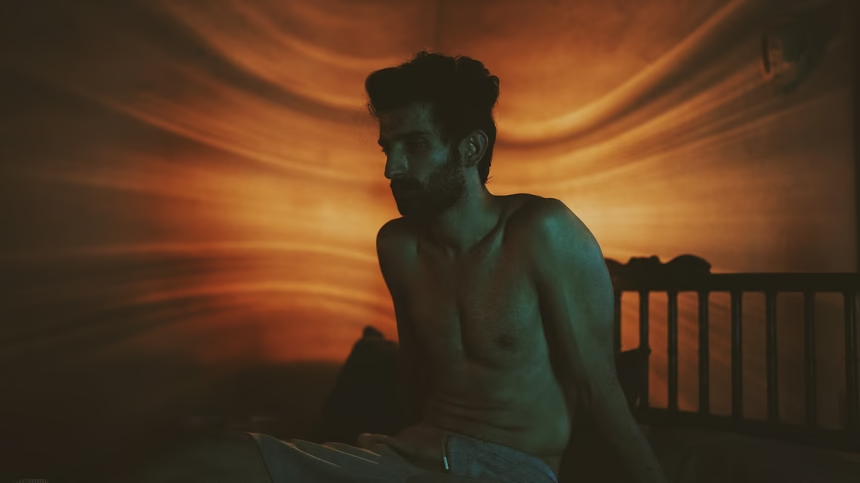
The film centers on Mihir, a pianist isolated by lockdown, who is consumed by shame and grief. His art—a composition that becomes the only medium of conversation with his deceased brother—is the lens through which he processes his trauma. Duet translates this internal struggle into striking visuals and evocative sound design, conveying a psychological trek with no summit to reach. The stillness and disorienting mindscape recall Andrew Haigh’s haunting All Of Us Strangers, as Mihir’s notions of fiction and reality blur, summoning memories of a tough childhood and the tragic death of his mother. The film humanizes the tortured-artist syndrome, asking: How does ‘bleeding for art’ really look? What lies in between loss and catharsis?
Gupta delivers a powerful performance, channeling the character’s physicality and emotional nakedness. The actor, known for his work in Freedom at Midnight and Jubilee, brings intensity to Mihir, a man torn between the violin-coded nakedness of his emotions and his piano-coded perception of them through the art he creates. Watch him long enough, and grief becomes a solo riff in search of the duet it once was. While Duet occasionally leans too heavily into its immersive experience, risking pain becoming aestheticized, the film’s ambition and emotional core are undeniable.
Duet serves as a spiritual sequel to Menon’s earlier short, Siblings, exploring fractured family bonds and the individual struggle to validate loss at a time when grief itself faces an identity crisis. It’s a film that lingers long after its 39 minutes are over, a testament to the power of cinema to capture the most elusive of human experiences.